Ceramic Tinting in Cairns
Request a Free Quote
20+ Years of Industry Experience
Ceramic Tinting: Superior Heat Rejection
Real Heat Control In Cairns
Step into a car that’s been parked in the Cairns sun and you’ll feel straight away whether the tint is doing anything or not. At Superior Window Tinting & Whitewalls, we focus on ceramic window tinting because it’s the only real solution for FNQ heat.
With over 20 years in the trade, we’ve seen how carbon films can look fine early on but struggle once the heat builds day after day. Ceramic works differently, blocking a higher level of ultraviolet rays so the cabin doesn’t hold that same trapped warmth. That means less reliance on air conditioning and a more comfortable drive after your car has been sitting outside. It also protects vehicle occupants from sunburn, and the vehicle interior from fading and cracking over time. If you’re comparing options, we’ll walk you through what actually makes a difference in Cairns conditions. Call 0478 501 339 to talk it through.
Request Your Free Quote
Thank you for contacting Superior Window Tinting & Whitewalls.
We will get back to you as soon as possible.
Oops, there was an error sending your message.
Please try again later.
Exterior Windscreen Protection Film
We apply exterior windscreen protection film for drivers who want to stay ahead of chips, cracks and the cost of replacing damaged glass. On Cairns roads, it doesn’t take much for loose gravel or road debris to leave a mark, and once the windscreen is hit, that damage can spread faster than most people expect.
The film adds a clear protective layer over the outer surface of the glass, helping take the edge off everyday impact without changing visibility or the overall look of the vehicle. It’s a sensible option for people who spend plenty of time on the road and want to reduce the chance of avoidable damage. If you want to know whether it’s the right fit, get in touch and we’ll talk you through it.
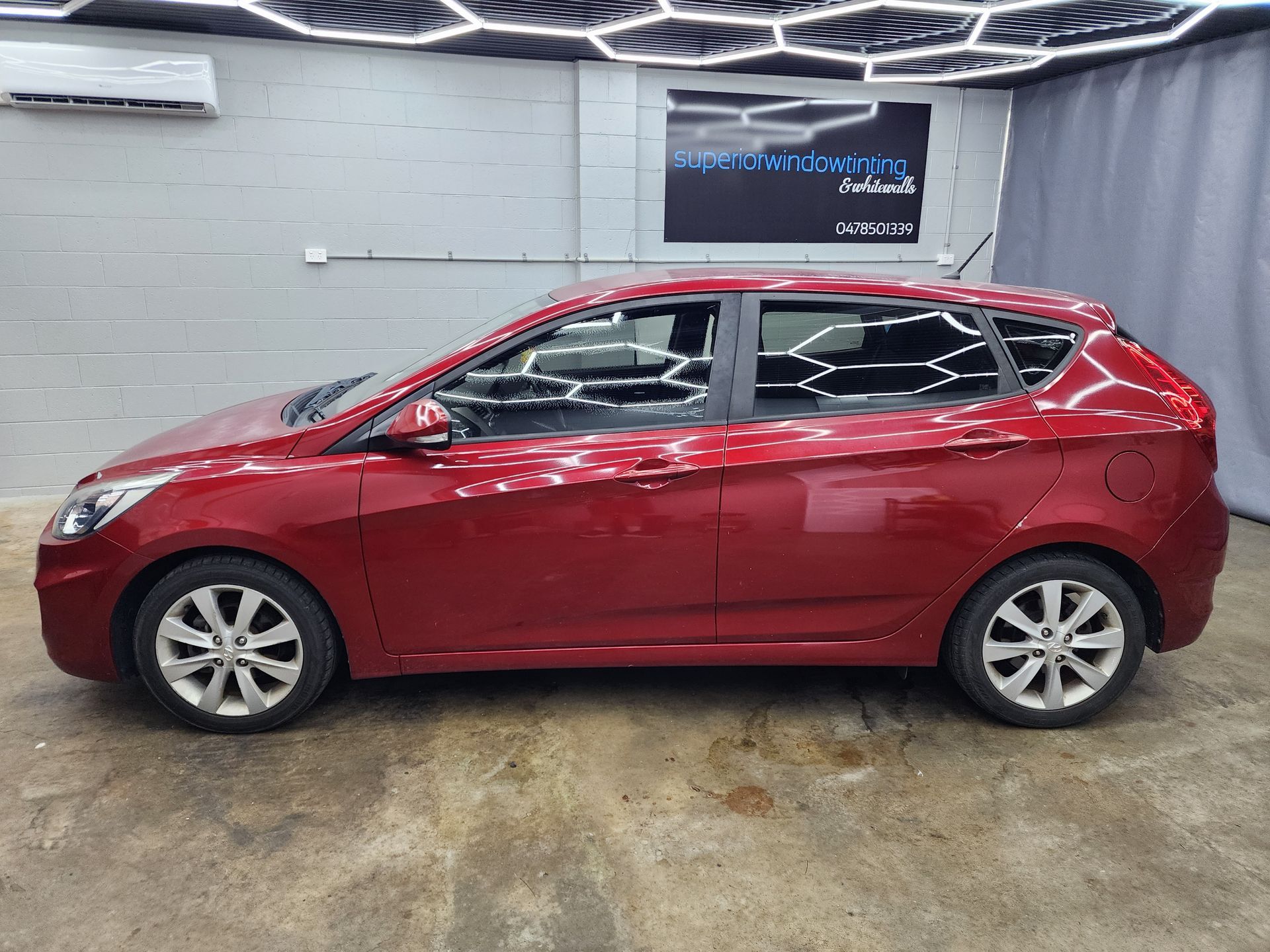
Beyond Boundaries
Frequently Asked Questions
What is ceramic window tinting and how is it different?
Ceramic window tinting uses advanced non-metallic particles to block heat, UV rays and glare without relying on dyes or metals. Unlike carbon or dyed films, it targets ultraviolet rays, which is what causes cabins to overheat. This makes it more effective in hot climates where temperature control matters more than appearance alone. Furthermore, it ensures the windows appear super clear from inside the vehicle, but dark when looking in, so the tint provides privacy without compromising on safety.
Does ceramic tint actually reduce heat inside the car?
Yes, ceramic tint is designed specifically to reduce the amount of heat entering through the glass. By blocking a higher percentage of ultraviolet rays, it helps prevent heat from building up inside the vehicle, protects the occupants from sunburn, and keeps the vehicle's interior from fading and cracking. Drivers usually notice the difference after the car has been parked in the sun, where the cabin feels less intense compared to standard films.
Is ceramic window tinting worth the extra cost?
Ceramic tinting typically costs more upfront because of the materials and performance benefits. However, it often lasts longer and delivers better heat reduction, which can reduce reliance on air conditioning and improve comfort over time. For drivers in consistently hot environments, the long-term payoff can outweigh the initial price difference.
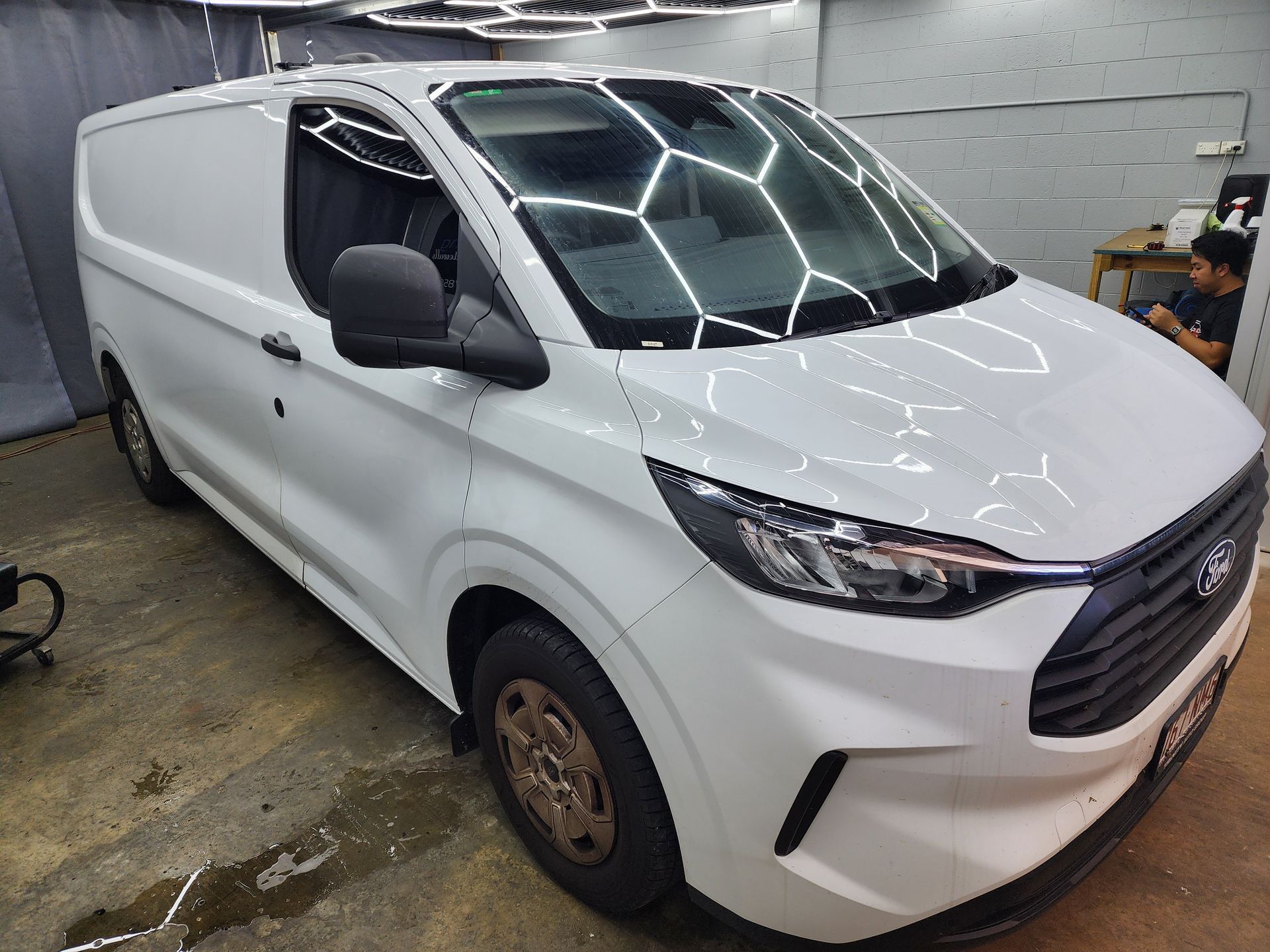
Ceramic Vs Carbon Explained
Not all tinting performs the same once it’s exposed to real heat. Carbon film mainly reduces glare and changes the look of the glass, but it doesn’t deal with ultraviolet rays in the same way. That’s why many drivers still notice the cabin heating up quickly, even with tint installed.
Ceramic film is built differently, using non-metallic materials that block heat without affecting mobile or GPS signals. It also gives you a clearer view from inside the vehicle while still creating a darker, more finished look from the outside. On top of that, it’s far more stable over time, so unlike carbon, it doesn’t fade or bubble after a few harsh summers. In Cairns, where heat is constant rather than occasional, that difference shows up quickly. Choosing between the two comes down to whether you just want a cosmetic upgrade or if you want something that continues to perform long after installation.